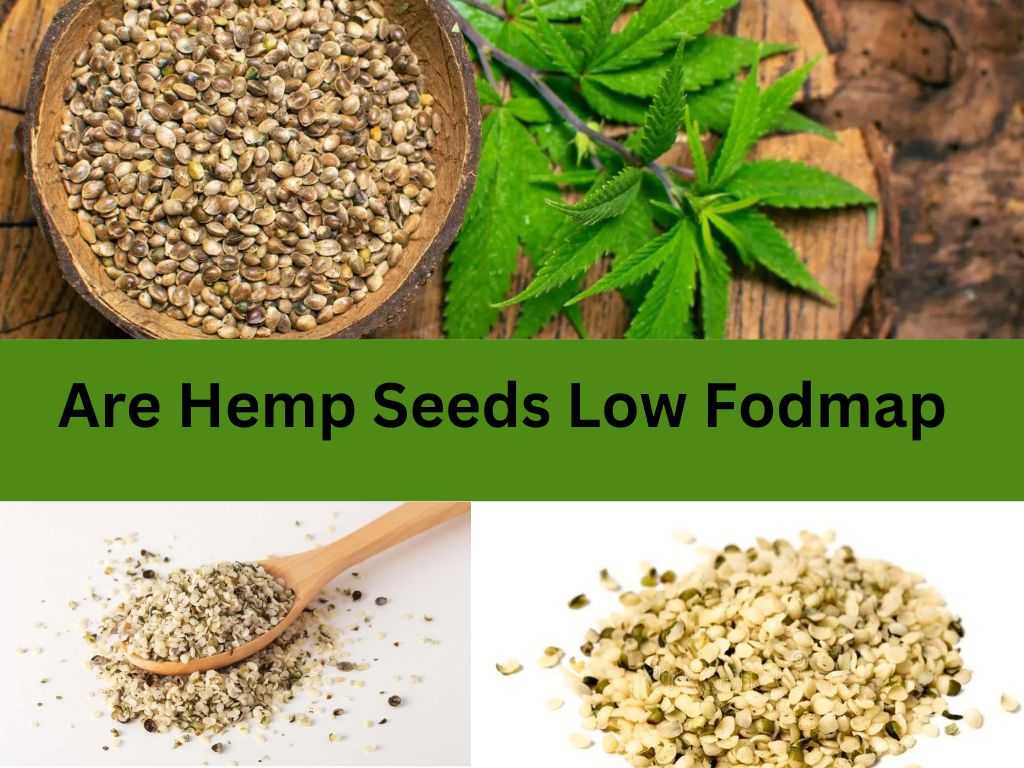
In today’s health-conscious world, the need for well-researched dietary information has never been more crucial. In our quest to provide the most accurate, useful, and up-to-date nutritional insights, we’ve focused on one of the most popular health foods currently circulating the wellness sphere: hemp seeds. In particular, we’re addressing a frequent question among the health-savvy community: are hemp seeds low in FODMAP?
Are Hemp Seeds Low Fodmap
FODMAP stands for Fermentable Oligosaccharides, Disaccharides, Monosaccharides, and Polyols. These are types of carbohydrates that can be challenging to digest for some individuals. A low FODMAP diet is often recommended to manage symptoms associated with irritable bowel syndrome (IBS) and similar gastrointestinal conditions. Now, let’s explore the role of hemp seeds within this dietary framework and gain a deeper understanding.
Hemp Seeds
Before we answer the question, let’s first understand what hemp seeds are and why they’re such a hot topic in the health industry. Hemp seeds, sometimes known as hemp hearts, are the hemp plant’s seeds, Cannabis sativa. Despite belonging to the same plant family as marijuana, hemp seeds carry negligible amounts of THC (the compound that causes psychoactive effects). So, their primary appeal lies not in recreational use but in the impressive nutritional benefits they pack.
Rich in healthy fats, complete protein, and many essential minerals and vitamins, hemp seeds are a powerhouse of nutrition. They have a mild, nutty flavor and can be consumed raw, cooked, or roasted, making them a versatile addition to various dishes.
Why Try a Low FODMAP Diet?
In recent years, the low FODMAP diet has gained significant attention and recognition for its potential benefits in managing gastrointestinal symptoms, particularly in individuals with conditions such as irritable bowel syndrome (IBS). FODMAPs, an abbreviation for Fermentable Oligosaccharides, Disaccharides, Monosaccharides, and Polyols, are particular types of carbohydrates that can cause digestive discomfort in certain individuals.
Let’s delve into why you might consider trying a low FODMAP diet.
Alleviating Gastrointestinal Symptoms
- Identifying Personal Triggers
Customizing and Personalizing Your Diet
Improving Quality of Life
Promoting Gut Health
Broadening Awareness of Food Choices
The Hemp Seeds and FODMAP Connection
Now, back to our main question: are hemp seeds low in FODMAP? The short answer is yes; hemp seeds are low in FODMAPs.
According to the Monash University FODMAP Diet Guide – one of the most trusted sources for FODMAP information – hemp seeds can be safely included in a low FODMAP diet. Monash University has given hemp seeds a ‘green light,’ suggesting they contain minimal fermentable carbs.
But how does this benefit you, particularly if you follow a low FODMAP diet?
Aiding Digestive Health
The low FODMAP nature of hemp seeds means they are less likely to trigger digestive discomfort in individuals with IBS or similar gastrointestinal disorders. Incorporating low FODMAP foods into your diet, such as hemp seeds, can assist in managing and relieving unpleasant symptoms like bloating, gas, stomach pain, and diarrhea.
Nutritional Boon
In addition to being easy on the gut, hemp seeds provide an excellent source of essential nutrients. Hemp seeds are a rich source of Omega-3 and Omega-6 fatty acids, which play a vital role in brain function, inflammation regulation, and heart health. Furthermore, the protein found in hemp seeds is considered complete, as it contains all nine essential amino acids that our body requires but cannot produce on its own. Moreover, they are packed with fiber, improving digestion and satiety.
Choosing Tips FOR Hemp Seeds Low FODMAP
When choosing low-FODMAP foods for your diet, here are some important things to keep in mind:
Portion Sizes: It’s important to note that even low FODMAP foods can become high in FODMAPs if consumed excessively.

Pay attention to recommended serving sizes and portion your meals accordingly.
Individual Tolerance
While certain foods may be considered low FODMAP, everyone’s tolerance to FODMAPs can vary. Paying attention to your body and identifying your triggers is crucial. Keeping a food diary and recording any symptoms or reactions to specific foods can be helpful in this process.
Food Preparation
How you prepare and cook food can affect its FODMAP content. For example, boiling certain vegetables in excess water can leach out FODMAPs, making them more tolerable. Consider different cooking methods and experiment with what works best for you.
Variety and Balanced Diet
A low FODMAP diet doesn’t mean you have to limit yourself to a few foods. It’s important to incorporate a wide variety of low FODMAP options to ensure you’re getting a balanced intake of nutrients. Explore different fruits, vegetables, proteins, grains, and fats to create a diverse and enjoyable diet.
Read Labels
It is recommended to carefully scrutinize food labels, especially when it comes to processed and packaged foods. Some products may contain hidden sources of FODMAPs, such as high fructose corn syrup, honey, or inulin. Be vigilant and choose products that clearly state they are low FODMAP or check for ingredients that are known high FODMAP sources.
Seek Professional Guidance
Seeking guidance from a registered dietitian specializing in the low FODMAP diet can be incredibly beneficial and provide valuable assistance. They can provide personalized guidance, meal planning, and support to ensure you follow the diet correctly and meet your nutritional needs.
Reintroduction Phase
After an elimination phase, it’s important to reintroduce FODMAP groups systematically to identify your triggers. This phase helps you understand which foods or groups you can tolerate and what quantities.
Consider Overall Health
While managing FODMAPs is important, it’s also crucial to consider your overall health. Ensure that you’re getting a well-rounded diet with a variety of nutrients. If you have any specific dietary restrictions or health conditions, consult a healthcare professional to address those needs along with your low FODMAP approach.
Remember, the low FODMAP diet is a temporary elimination and reintroduction process designed to identify triggers and manage symptoms. Working with a healthcare professional or registered dietitian for personalized advice and guidance throughout your journey is always recommended.
Which Have Low Fodmap in Hemp Seed or Hemp oil
Hemp seeds and hemp oil have low FODMAP content, making them suitable for inclusion in a low-FODMAP diet. The Monash University Low FODMAP Diet app lists hemp seeds and hemp oil as low-FODMAP foods. However, it’s essential to consume them in moderation and be mindful of portion sizes, as excessive intake may still cause digestive symptoms in some individuals. Additionally, when purchasing hemp-based products, such as hemp oil, always check the label for any added high FODMAP ingredients that may affect its FODMAP status.
Inclusion in a Low FODMAP Diet
While hemp seeds are low in FODMAP, it’s essential to incorporate them into your diet in a balanced way. They can be sprinkled on salads, blended into smoothies, mixed into yogurt or oatmeal, or ground into flour for baking.
However, while hemp seeds are low FODMAP, remember that not all products made from hemp seeds will be. When purchasing hemp-based products, always check the label for high FODMAP ingredients that may have been added during processing.
Dispelling Myths and Understanding Labels
While hemp seeds are considered a ‘superfood,’ it’s important to dispel common myths and understand the importance of reading labels carefully when incorporating them into a low FODMAP diet.
The term ‘superfood’ can sometimes mislead consumers into believing they can consume large amounts without repercussions. While hemp seeds are nutritionally dense, it’s crucial to remember that even healthy foods should be eaten in moderation. For those with digestive issues, starting with a small quantity and observing your body’s response is particularly essential.
While exploring the market, you may come across various hemp-derived products, such as hemp seed oil, hemp protein powder, and hemp milk. While these products are derived from hemp seeds, they may not share the same FODMAP profile. The processing these products undergo can alter their FODMAP content, and additional ingredients that are high in FODMAPs might be added. Therefore, always read product labels carefully and seek advice from a dietitian if you need clarification.
Low FODMAP and Balanced Diets
Following a low FODMAP diet doesn’t require compromising on your nutritional needs. It’s an excellent opportunity to explore diverse food choices that are gut-friendly and nutrient-dense. While hemp seeds certainly qualify, they represent just one piece of the larger dietary puzzle.
A balanced low FODMAP diet should ideally include a wide range of fruits, vegetables, lean proteins, and whole grains that are low in FODMAPs but high in essential nutrients. Remember that everyone’s gut responds differently, and what may work effectively for one person may not have the same effect for another. Listening to your body and understanding its unique responses to different foods is key to optimizing your diet.
Low Fodmap Plants
When following a low FODMAP diet, it’s important to be aware of the specific plants and their parts that are low in FODMAPs. Here are some examples of low-FODMAP plants that you can incorporate into your diet:
Spinach
Kale
Lettuce (e.g., Romaine, Butterhead)
Arugula
Swiss chard
Bok choy
Basil
Parsley
Oregano
Thyme
Rosemary
Turmeric
Cumin
Paprika
Green bell peppers
Red bell peppers
Carrots
Tomatoes
Cucumbers
Zucchini
Green beans
Potatoes (white and sweet)
Butternut squash
Spaghetti squash
Remember to check the specific portion sizes and preparation methods recommended by a registered dietitian or healthcare professional to ensure compliance with a low FODMAP diet.

FAQS
How much hemp seed is low FODMAP?
Hemp seeds are considered low FODMAP in servings up to 2 tablespoons.
Is hemp seed protein low FODMAP?
Hemp protein powder has not been officially certified as low FODMAP yet. However, a 28g (or ~2 tablespoon) serving of hemp seeds has been tested and confirmed as low FODMAP. Therefore, hemp protein is likely to be low FODMAP, but individual tolerance should be considered.
What are the best low-FODMAP seeds?
Best seeds for those with constipation-predominant IBS: Chia seeds and flaxseeds offer the greatest benefits. Pumpkin and sunflower seeds are also safe options that are less likely to trigger symptoms.
Final Words
In conclusion, the humble hemp seed has proven to be a fantastic friend to those following a low FODMAP diet. Not only are they low FODMAP, but their high nutrient density makes them an excellent choice for anyone seeking to boost their overall wellness.
Whether you’re dealing with digestive discomfort or just someone keen on maintaining a healthy lifestyle, hemp seeds could be a beneficial addition to your diet. However, as with any dietary change, it’s always advisable to consult with a healthcare professional or dietitian to ensure it’s the right fit for your needs.
Here’s to enjoying the nutritional benefits of hemp seeds while keeping your gut happy and healthy!
Disclaimer: This article is provided for informational purposes only and should not be considered a substitute for professional medical advice, diagnosis, or treatment. It is always recommended to consult with your physician or qualified health provider for any medical concerns or inquiries regarding dietary changes.