
Sore muscles can be a pain – both literally and figuratively – for athletes, fitness enthusiasts, and anyone who leads an active lifestyle. While rest and recovery are important for muscle healing, many people turn to alternative methods for relief, including hot tubs. So, are hot tubs good for sore muscles?
Are Hot Tubs Good For Sore Muscles?
Hot tubs have long been linked to well-being and relaxation, but they also might help with therapeutic muscle pain alleviation. Hot tub use can promote better circulation, reduce soreness and stiffness, and relieve muscle tension.
In this post, we’ll look at the advantages of hot tubs for aching muscles, talk about the many kinds of hot tubs that might work best for muscle relief, offer usage advice for maximizing the advantages of hot tubs, and emphasize safety considerations to keep in mind while soaking.
Read on to find out more about how hot tubs can relieve painful muscles, whether you’re a seasoned user or exploring one for the first time.
Related Post: why can’t i straighten my arm after workout?
How hot tubs can help with sore muscles?
Hydrotherapy, commonly referred to as hot tub therapy, has been used for millennia to enhance both physical and psychological well-being. The warmth and buoyancy of the water can relieve tension and promote relaxation while also assisting in the reduction of pain and inflammation.
Hot tubs can be beneficial for sore muscles in particular by increasing blood flow and lowering inflammation. A hot bath helps improve blood flow, which can help the muscles repair more quickly by supplying them with more oxygen and nutrients. The body’s natural painkillers, endorphins, can also be produced more readily when the water is heated.
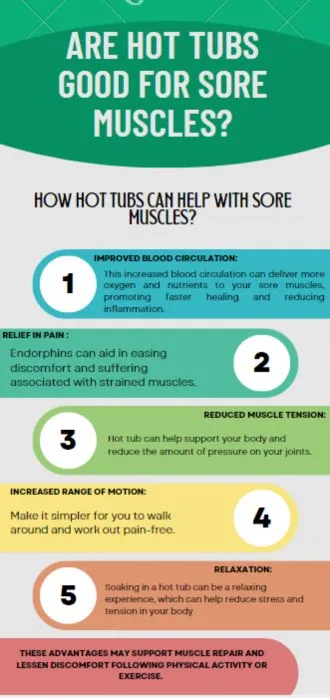
Hot tubs can also aid in the release of muscle tension, which can increase discomfort and stiffness. The body is supported by the buoyancy of the water, which also relieves pressure on the joints and enables easier muscular relaxation and stretching. Also, by enhancing flexibility and range of motion, this can make it simpler to move around and exercise without experiencing any pain or discomfort.
Improved blood circulation:
When you soak in a hot tub, the heat causes your blood vessels to dilate, which can increase blood flow throughout your body. This increased blood circulation can deliver more oxygen and nutrients to your sore muscles, promoting faster healing and reducing inflammation.
Relief in Pain :
Endorphins, which your body naturally produces to relieve pain, can be stimulated by the heat from the hot tub. These endorphins can aid in easing discomfort and suffering associated with strained muscles.
Reduced muscle tension:
The buoyancy of the water in a hot tub can help support your body and reduce the amount of pressure on your joints. This can help your muscles relax and stretch more easily, reducing tension and stiffness.
Increased range of motion:
Your range of motion may be increased by the water’s temperature, which will make it simpler for you to walk around and work out pain-free.
Relaxation:
Soaking in a hot tub can be a relaxing experience, which can help reduce stress and tension in your body. When you are relaxed, your muscles are more likely to be relaxed as well, which can help relieve soreness and improve overall well-being.
These advantages may support muscle repair and lessen discomfort following physical activity or exercise. Hot tub therapy should, however, be used in conjunction with other methods of muscle healing, such as stretching and rest, and not in a substitute of them.

When to Avoid Hot Tubs for Sore Muscles?
Hot tub use is sometimes advised against, even though they might be helpful for weary muscles in specific circumstances. These are a few instances:
Open wounds or skin infections:
If you have any open wounds or skin infections, it is best to avoid using a hot tub, as the warm and moist environment can increase the risk of infection.
High blood pressure:
Hot tubs can cause a temporary increase in blood pressure, so if you have high blood pressure or are on medication to control your blood pressure, it is best to consult with your doctor before using a hot tub.
Pregnancy:
Pregnant women should avoid using hot tubs, as the high temperatures can be harmful to the developing fetus.
Heart disease:
If you have a history of heart disease or other cardiovascular conditions, it is best to consult with your doctor before using a hot tub, as the warm water can increase the workload on your heart.
Alcohol or drug use:
It is not advisable to use a hot tub when intoxicated because these substances might impair judgment and raise the possibility of mishaps or injuries.
It is always advisable to speak with your doctor or other healthcare experts before utilizing a hot tub if you are worried about its suitability for your particular circumstances.
Types of Hot Tubs for Sore Muscles
There are various different varieties of hot tubs on the market, each with special characteristics and advantages. Hot tubs for muscular relaxation come in a variety of popular designs, including:
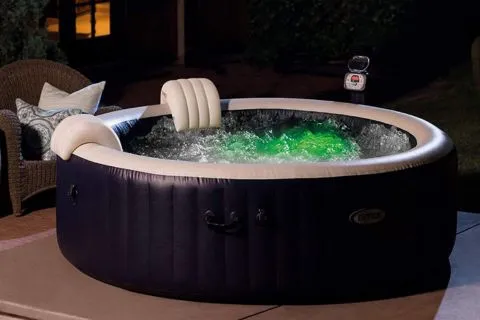
Inflatable hot tubs:
These portable hot tubs can be set up quickly and easily. making them a convenient option for those who want to enjoy hot tub therapy at home without investing in a permanent fixture. Inflatable hot tubs are also typically less expensive than other types of hot tubs. making them an affordable option for those on a budget.
Wood-fired hot tubs:
These hot tubs are heated by a wood-burning stove or another natural heat source. such as a gas or propane burner. Wood-fired hot tubs are known for their rustic and natural aesthetic. and they can be a great option for those who want to enjoy hot tub therapy while also connecting with nature.

Traditional acrylic hot tubs:
These hot tubs are the most common type and are typically the most expensive. They are made from acrylic and are designed to be a permanent fixture in a backyard or other outdoor space. Traditional acrylic hot tubs can be customized with a variety of features, such as jets, lighting, and sound systems, to enhance the hot tub experience.

When choosing a hot tub for sore muscles, consider factors such as Size, Cost, and Portability, as well as the specific features that will be most effective for muscle relief.
Tips for using hot tubs for sore muscles
To get the most out of hot tub therapy for sore muscles, follow these tips:
- Set the temperature between 100 and 104 degrees Fahrenheit. This is the ideal temperature range for hot tub therapy, as it is warm enough to promote relaxation and pain relief without causing discomfort or overheating.
- Soak for 20-30 minutes. This is the optimal soaking time to get the full benefits of hot tub therapy without risking dehydration or overheating.
- Try gentle stretching or massage. While soaking, try incorporating gentle stretches or massage techniques to further promote muscle relaxation and release tension.
- Stay hydrated. Be sure to drink plenty of water before, during, and after hot tub therapy to prevent dehydration.
Safety Precautions when using hot tubs for Sore Muscles:-
Although hot tub therapy for sore muscles can be helpful, it is crucial to take the right safety precautions to prevent harm. Here are some important safety advice to bear in mind:
- Avoid spending too much time in the hot tub. Long-term soaking might increase the risk of dehydration, hyperthermia, and other health problems.
- Use the hot tub with a partner. In case of an emergency, always utilize the hot tub with a friend or family member.
- Avoid using drugs and alcohol. Drugs and alcohol can cloud judgment and raise the possibility of mishaps and injuries.
- Keep an eye on the weather. Make sure it’s not too hot because that could lead to burns or heat fatigue.
- Follow manufacturer instructions. Always follow the manufacturer’s instructions for operating and maintaining the hot tub to ensure safe use.
- Keep children and pets away. Children and pets should never be left unattended near a hot tub, as they can easily fall in and drown.
Hot tub therapy can be a secure and efficient approach to relieve painful muscles and increase overall wellness by adhering to these safety considerations.
Alternative Methods for Sore Muscles:
For people who want non-invasive and non-pharmaceutical treatments, muscle rubs are a popular alternative way for easing painful muscles. These products frequently include a mixture of chemicals, such as menthol, camphor, and essential oils, that are intended to calm and cure muscles.
Muscle rubs work by stimulating the nerve endings in the skin, which can help distract from the pain and discomfort in the underlying muscle tissue. They can also increase blood flow to the affected area, promoting healing and reducing inflammation. Additionally, muscle rubs can provide a cooling or warming sensation, depending on the type of product, which can help relax muscles and improve flexibility.
Comfort and Simplicity
The comfort and simplicity of usage of muscle massages is one of their key benefits. Without specialized tools or training, they can be used directly on the affected region. Although it is always advised to read the label and follow the directions carefully to avoid any potential side effects or allergic reactions, they are also generally safe for usage by the majority of people.
Although muscle rubs might be a good way to soothe tired muscles, they do have some drawbacks. Other types of treatment, such as physical therapy or medication, may be required for more severe or chronic muscular pain. Also, some people may not be able to use muscle rubs, such as those with sensitive skin or those who have allergies to specific substances. Before utilizing a muscle rub, like with any form of treatment, it is advisable to speak with a healthcare professional, especially if you have any underlying medical disorders or concerns.
FAQs
There is no definitive answer to how long you should sit in a hot tub for sore muscles, as it can depend on various factors such as the temperature of the water and your personal tolerance for heat. However, it is generally recommended to limit your time in the hot tub to 15-20 minutes at a time, and to take breaks to cool down and drink water. Prolonged exposure to hot water can increase the risk of dehydration and other health complications.
Both hot and cold water therapy can be beneficial for sore muscles, but they have different effects on the body. Hot water can help promote blood circulation and muscle relaxation, while cold water can help reduce inflammation and numb pain. The best approach may depend on the nature and severity of your soreness, and it is often recommended to alternate between hot and cold water therapy to get the best of both worlds.
There are some groups of people who should avoid using a hot tub, as it can pose risks to their health. These include pregnant women, individuals with heart disease or other cardiovascular conditions, people with open wounds or skin infections, and individuals who are under the influence of drugs or alcohol. It is always recommended to consult with your doctor or healthcare provider before using a hot tub, especially if you have any underlying medical conditions.
Conclusion
Hot tubs can be a great way to soothe sore muscles. The warm water helps to increase blood flow and relax the muscles, reducing tension and easing pain.
Additionally, the buoyancy of the water can take pressure off joints and provide a low-impact environment for exercise or stretching. However, it is important to note that hot tubs should be used in moderation and with caution, as prolonged exposure to hot water can be dangerous and lead to dehydration or other health issues.
Furthermore, individuals with certain medical conditions should consult a doctor before using a hot tub. Overall, if used responsibly and with care, hot tubs can be a useful tool for relieving sore muscles and promoting overall wellness.