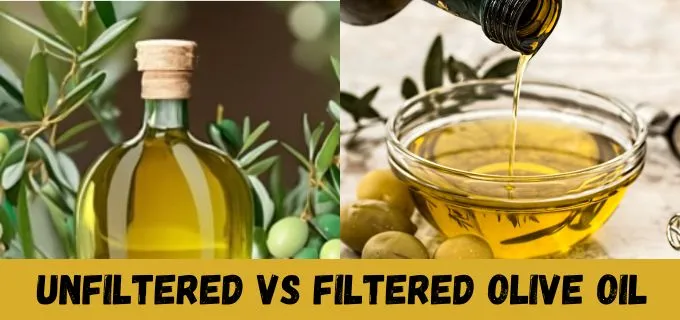
If you are looking for an extraordinary culinary experience with a hint of rustic authenticity, you might want to consider exploring the world of unfiltered extra virgin olive oil.
Derived from the first cold pressing of olives, this type of olive oil has not undergone the filtering process typical of most oils on the market.
What Is Unfiltered Extra Virgin Olive Oil
Unfiltered extra virgin olive oil retains tiny particles of the olive fruit, lending it a characteristic cloudiness and a flavor profile that is often described as more robust and nuanced.
This article delves into the fascinating details of unfiltered extra virgin olive oil, covering its production process, distinguishing characteristics, health benefits, and culinary uses. It will also demystify common misconceptions and guide you on how to choose a high-quality bottle of this unique oil for your own kitchen.
Unfiltered Vs Filtered Olive Oil
Depending on their production process, we can classify them into several types, two of which are unfiltered and filtered olive oil.
The primary difference between these two types lies in their production process, specifically the filtration stage, which significantly affects their color, taste, texture, and potentially even their health benefits. While filtered olive oil is more common and widely used, unfiltered olive oil has seen an increase in popularity for its unique flavor profile and perceived health benefits.
In this article, we delve into the world of olive oil, taking a detailed look at both unfiltered and filtered varieties. We will explore their production processes, characteristics, benefits, and uses. The objective is to provide you with the knowledge needed to understand the difference between unfiltered and filtered olive oil and make an informed choice based on your culinary needs and health preferences. So, without further ado, let’s embark on this olive oil journey.
History of Olive Oil
Olive oil, with its origins dating back to 6000 BC, has a significant and enduring history. It is believed to have originated in the Eastern Mediterranean region and gradually spread to other parts of the world through trade and colonization.
Civilizations such as the ancient Greeks, Romans, Phoenicians, and Egyptians recognized the value of olive oil not only as a food product but also for medicinal, religious, and economic purposes. This is evident from historical texts and archaeological evidence, emphasizing the importance of olive oil in ancient societies.
The Production Process of Olive Oil
The production process of olive oil begins with the harvesting of olives. Traditionally, olives were handpicked to ensure the fruit’s quality.
The next step is crushing, where olives are ground into a paste. During the malaxation process, the paste is gently churned, facilitating the aggregation of small oil molecules into larger clusters.
The oil is then separated from the solid matter through pressing or centrifugation. Here’s where the key difference between unfiltered and filtered olive oil comes into play. During the production of unfiltered olive oil, the oil is directly bottled following centrifugation, whereas filtered olive oil undergoes a filtering process to eliminate any residual solid particles before bottling.
Unfiltered Olive Oil
Unfiltered olive oil, as the name implies, refers to olive oil that has not undergone any filtration after the extraction process. This results in an oil that contains tiny particles of olive pulp and water, giving it a slightly cloudy appearance.

Unfiltered olive oil is characterized by its vibrant, often greenish color and robust, full-bodied flavor. It retains more polyphenols and nutrients from the olive fruit due to the lack of filtering, offering potential health benefits such as reducing inflammation and lowering the risk of heart disease.
However, unfiltered olive oil has a shorter shelf life compared to filtered olive oil due to the presence of olive particles, which can cause fermentation and rancidity over time. It is recommended to consume unfiltered olive oil within six months to a year of production and store it in a cool, dark place.
Culinary enthusiasts appreciate unfiltered olive oil for its robust flavor and often use it for drizzling over salads, bread, and other dishes to enhance their taste.
Benefits and Drawbacks of Unfiltered Olive Oil
Unfiltered olive oil offers a unique, more robust flavor profile that some people prefer over filtered olive oil. These oils may also contain slightly higher levels of antioxidants, polyphenols, and other beneficial compounds due to the presence of olive particles. However, the shorter shelf life and potential for the oil to become rancid can be seen as drawbacks, making proper storage and timely consumption essential for maintaining the oil’s quality.
Unique Characteristics of Unfiltered Extra Virgin Olive Oil
Unfiltered extra virgin olive oil is known for its robust flavor and slightly cloudy appearance. The olive particles remaining in the oil enhance its taste and aroma, making it popular among gourmet chefs and food enthusiasts. However, these particles also shorten the oil’s shelf life, requiring it to be consumed within a limited timeframe.
Unfiltered extra virgin olive oil offers several health benefits. It is rich in monounsaturated fats, including heart-healthy oleic acid, and contains antioxidants like vitamin E and polyphenols that combat oxidative stress. The oil’s remaining olive particles may contribute additional nutrients and antioxidants.
Numerous studies have linked the consumption of extra virgin olive oil, including unfiltered varieties, to reduced risk of heart disease, lower blood pressure, improved blood sugar control, and reduced inflammation.
Some studies suggest potential protection against certain cancers and neurodegenerative diseases like Alzheimer’s. While more research specifically on unfiltered extra virgin olive oil is needed, its similar composition suggests comparable benefits.
Further sections will explore the culinary uses of unfiltered extra virgin olive oil, address misconceptions and controversies, and provide tips for purchasing and storing this unique oil.
Filtered Olive Oil
Filtered olive oil, on the other hand, undergoes an additional step in the production process: filtration. Filtration involves passing the oil through various filters, such as paper or cloth, to remove any remaining solid particles, impurities, and water.
The filtration process gives filtered olive oil a clearer and more transparent appearance compared to unfiltered olive oil. It has a milder flavor profile and a smoother texture. The removal of solid particles through filtration also extends its shelf life, as there are fewer elements that can contribute to oxidation and spoilage.
While filtered olive oil may have slightly lower levels of certain antioxidants and nutrients compared to unfiltered oil, it still retains many of the health benefits associated with olive oil consumption. It is rich in monounsaturated fats, which are known to support heart health and help reduce the risk of chronic diseases when consumed as part of a balanced diet.
Filtered olive oil is versatile in the kitchen and can be used for various cooking methods, including sautéing, frying, and baking. Additionally, filtered olive oil’s longer shelf life makes it a practical choice for those who may not consume large quantities of olive oil regularly.
Comparison Between Unfiltered and Filtered Olive Oil
Now that we have explored the characteristics and benefits of both unfiltered and filtered olive oil, let’s compare the two:
| Unfiltered Olive Oil | Filtered Olive Oil | |
| Production Process | Bottled directly after centrifugation without filtration | Passed through a filtering process to remove solid particles |
| Appearance | Cloudy or opaque | Clear and transparent |
| Flavor | Robust Oil, intense, and fruity | Milder and more subtle |
| Nutritional Content | Retains more polyphenols and nutrients due to the presence of olive particles | Slightly lower levels of certain antioxidants and nutrients |
| Shelf Life | Shorter shelf life due to the presence of olive particles | Longer shelf life due to the removal of solid particles |
| Recommended Uses | Ideal for drizzling, dressings, and adding a finishing touch to dishes | Versatile for various cooking methods including sautéing, frying, and baking |
| Cost | May be slightly more expensive | Generally more affordable |
| Environmental Implications | None | The filtration process may generate waste materials |
Nutritional Content and Health Benefits:
Unfiltered olive oil tends to retain more polyphenols and nutrients due to the presence of olive particles, offering potential additional health benefits. However, both unfiltered and filtered olive oil contain monounsaturated fats and other beneficial compounds that contribute to heart health and overall well-being.
Flavor and Culinary Uses:
Unfiltered olive oil has a robust, fruity flavor that adds intensity to dishes, making it ideal for drizzling or as a finishing oil.
Shelf Life and Storage:
Filtered olive oil typically has a longer shelf life due to the removal of solid particles that can contribute to spoilage. Unfiltered olive oil has a shorter shelf life and requires proper storage in cool, dark conditions to maintain its quality.
Cost:
Unfiltered olive oil may be slightly more expensive due to its specialized production process and potential higher concentration of beneficial compounds. Filtered olive oil, being more widely available, is generally more affordable.
Environmental Implications:
The filtration process used in the production of filtered olive oil may generate waste products, such as filter materials. However, efforts are being made in the industry to find sustainable and eco-friendly filtration methods.
It’s essential to consider your personal preferences, culinary needs, and health goals when choosing between unfiltered and filtered olive oil. Experimenting with both types can help you discover the flavors and characteristics that best complement your cooking style and taste preferences.
Myths and Misconceptions
There are several myths and misconceptions surrounding unfiltered and filtered olive oil. Let’s address a few:
Myth: Unfiltered olive oil is “pure” olive oil, while filtered olive oil is impure.
Reality:
Both unfiltered and filtered olive oils can be considered pure as long as they meet the required quality standards. The filtration process is primarily done for clarity and extended shelf life, not to remove impurities.
Myth: Unfiltered olive oil is always of higher quality than filtered olive oil.
Reality:
Quality is not solely determined by filtration. Both unfiltered and filtered olive oils can be of high quality if produced using proper methods and from good-quality olives.
Myth: Filtered olive oil lacks flavor and nutrients compared to unfiltered olive oil.
Reality:
While filtered olive oil may have a milder flavor profile and slightly lower levels of certain antioxidants and nutrients compared to unfiltered oil, it still retains many of the health benefits associated with olive oil consumption. The flavor and nutrient content can vary depending on factors such as the olive variety, region, and production methods, rather than solely on whether the oil is filtered or unfiltered.
Myth: Unfiltered olive oil is always cloudy and indicates poor quality.
Reality:
The cloudiness in unfiltered olive oil is a result of the presence of olive particles, which does not necessarily indicate poor quality. In fact, the particles can contribute to a more robust flavor and may be preferred by those seeking a more authentic and artisanal olive oil experience.
It’s important to base your judgments on the overall quality, taste, and authenticity of the olive oil rather than relying solely on whether it is filtered or unfiltered.
Choosing the Right Olive Oil for Your Needs
When selecting between unfiltered and filtered olive oil, consider the following factors:
Flavor Preference:
If you enjoy a more intense, fruity flavor, unfiltered olive oil may be the right choice. If you prefer a milder taste that blends well with other ingredients, filtered olive oil is a better option.
Culinary Use:
Consider the cooking methods you commonly use. Unfiltered olive oil is great for drizzling, dressings, and adding a finishing touch to dishes. Filtered olive oil’s milder flavor makes it suitable for a wide range of cooking applications, including sautéing, frying, and baking.
Shelf Life:
If you tend to consume olive oil slowly or have limited storage options, filtered olive oil’s longer shelf life may be more practical for you. To maintain its freshness, unfiltered olive oil should be consumed within a relatively shorter period of time.

Personal Health Considerations:
Both unfiltered and filtered olive oil offer health benefits, but the specific nutrient profiles may vary slightly.
Regardless of your choice, it’s essential to opt for high-quality olive oil. Look for reputable brands, check for certification seals, and consider the source of the olives and the production methods used. Check out the olive at our Store:
Expert Opinions and Research
Numerous studies have been conducted on the health benefits of olive oil, including both unfiltered and filtered varieties. While research suggests that the polyphenols and other beneficial compounds found in unfiltered olive oil may offer additional advantages, more studies are needed to fully understand the extent of these differences and their impact on human health.
Experts in the field generally agree that both filtered and unfiltered olive oils can be part of a healthy diet. They emphasize the importance of consuming high-quality olive oil, regardless of whether it is filtered or unfiltered, to ensure maximum benefits.
Conclusion
In conclusion, the choice between unfiltered and filtered olive oil ultimately comes down to personal preference, culinary needs, and health considerations. Unfiltered olive oil offers a robust flavor and potentially additional health benefits due to the presence of olive particles, while filtered olive oil has a milder taste and longer shelf life. Both types have their merits and can be enjoyed as part of a balanced diet.
When selecting olive oil, prioritize quality, authenticity, and adherence to production standards. Experiment with different varieties and explore the diverse flavors and culinary possibilities that olive oil has to offer. Whether you prefer the vibrancy of unfiltered olive oil or the versatility of filtered olive oil, incorporating this golden elixir into your cooking routine can enhance the flavors and nutritional value of your meals.