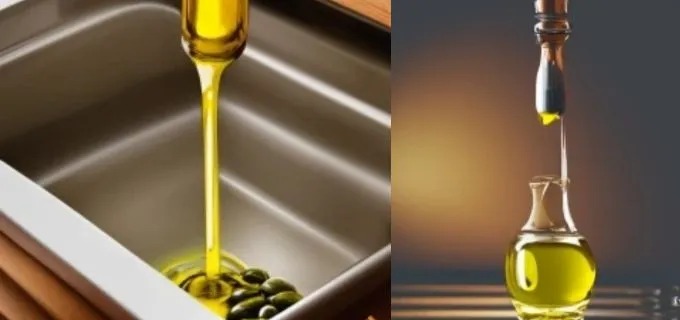
Olive oil is renowned for its delightful flavor and many health benefits, making it a staple in kitchens around the world. However, when it comes to disposing of this popular cooking oil, many individuals are uncertain about the best approach.
Can You Pour Olive Oil Down the Drain
One frequently asked question revolves around the safety of disposing of olive oil down the drain. In this detailed article, we will thoroughly examine this issue and examine the possible outcomes of such disposal practices. Additionally, we will provide alternative suggestions to assist you in making a well-informed choice.
The convenience of pouring olive oil down the drain may be tempting, but it can lead to several issues. Olive oil is classified as a fat, like other oils and greases, and has the potential to solidify and cause clogs within your plumbing system. As the oil cools and solidifies, it adheres to the inner walls of pipes, trapping more debris and obstructing the flow of water. Over time, these blockages can become severe, resulting in costly repairs and disruptions to your household plumbing.
Moreover, the environmental impact of pouring olive oil down the drain should not be overlooked. When olive oil enters the sewage system, it interacts with other substances like grease and fat, contributing to the formation of fatbergs. These fatbergs are congealed masses of solid waste that accumulate in sewers, causing blockages, overflows, and detrimental effects on waterways, aquatic life, and wastewater treatment facilities.
In order to tackle these concerns effectively, it is essential to examine alternative approaches to dispose of olive oil. By making informed choices, we can mitigate potential plumbing issues and reduce harm to the environment.
write about “what to do with old olive oil”
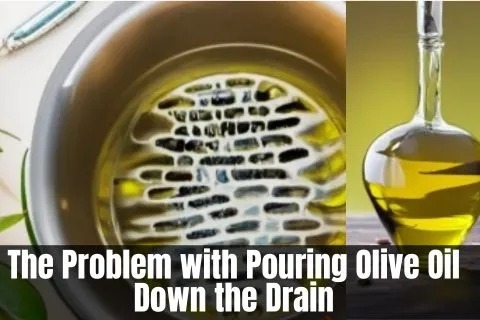
The Problem with Pouring Olive Oil Down the Drain:
Pouring olive oil down the drain may seem like a convenient way to get rid of it, but it can lead to a range of issues that can have both financial and environmental consequences. Here are some key problems associated with this widespread practice:
1. Plumbing Clogs:
Olive oil is a type of fat, and like other fats, it can solidify at cooler temperatures. When you pour oil down the drain, it may flow easily while it is still hot, but as it cools down, it solidifies and clings to the inner walls of the pipes. Over time, this accumulation can lead to the formation of clogs, obstructing the flow of water and causing backups. These clogs can be challenging to remove and may require professional aid, resulting in expensive plumbing repairs.
2. Blockages and Sewer Overflows:
Olive oil poured down the drain combines with other substances in the sewage system, such as grease and fat from various sources. Together, these substances can form fatbergs, which are congealed masses of solid waste. Fatbergs can grow over time, leading to blockages in the sewer lines. When the blockage becomes severe, it can cause sewer overflows, resulting in unsanitary conditions, foul odors, and potential damage to property and the environment.
3. Environmental Impact:
Improperly disposed of olive oil can have detrimental effects on the environment. When olive oil enters waterways through sewer overflows or improper disposal, it forms a thin film on the surface of the water, inhibiting oxygen exchange and harming aquatic life. Additionally, the accumulation of fatbergs in the sewage system can overwhelm wastewater treatment plants, reducing their efficiency and potentially releasing untreated sewage into the environment. These pollutants can have long-lasting impacts on ecosystems, water quality, and the overall balance of aquatic environments.
4. Infrastructure Damage:
The accumulation of fatbergs caused by pouring olive oil down the drain can lead to damage in the sewage infrastructure. The solidified oil, along with other debris, can attach to the inner lining of pipes and cause corrosion or blockages. This damage not only affects the immediate plumbing system but can also lead to more extensive issues throughout the sewage network, requiring costly repairs and maintenance.
To mitigate these problems, it is crucial to adopt proper methods for disposing of olive oil. By doing so, you can protect your plumbing system, prevent environmental contamination, and reduce the strain on wastewater treatment facilities. In the following sections, we will explore alternative methods for the safe and responsible disposal of olive oil.
What To Do With Old Olive Oil
Old Olive oil can be repurposed in many ways. While it’s important to note that using rancid oil for food preparation isn’t ideal due to the off-putting taste and potential health risks, there are several non-culinary uses where you can make use of it. Here are a few:
- Lamp Fuel: In the past, olive oil was commonly used as fuel for lamps. If you have an oil lamp, you can use your old olive oil to light it. It’s safe, smoke-free, and it doesn’t produce any soot.
- Furniture Polish: Olive oil serves as an excellent eco-friendly substitute for store-bought furniture polishes. Simply dab a modest amount onto a gentle cloth, and then delicately buff it into your furniture. It will not only purify the furniture surface but also bestow a lovely sheen.
- Homemade Soap: Making soap can be a fun DIY project. Olive oil, along with other ingredients like lye and essential oils, can be used to make a moisturizing, skin-friendly soap.
- Hair Conditioner: Olive oil is known to add shine and softness to hair. If your oil hasn’t aged significantly, you can gently heat it and apply to your hair tips for deep conditioning. Again, if it’s gone off, do a patch test first.
- Gardening: Olive oil can be used as a safer alternative to chemical sprays for dealing with garden pests like aphids and mites. A mixture of water, olive oil, and mild soap can be sprayed directly onto affected plants.
Alternative Methods for Disposing of Expired Unused Olive Oil :
To avoid the problems associated with pouring olive oil down the drain, there are several alternative methods for its proper disposal. By adopting these methods, you can ensure the longevity of your plumbing system and minimize environmental impact. Here are a few options to consider:
1. Reuse or Repurpose :
Before discarding olive oil, think about ways you can reuse or repurpose it. One choice is to store the oil in a clean, airtight container and use it for future cooking. Olive oil can be reused for sautéing, frying, or as a flavorful addition to dressings and marinades. Ensure that the oil is strained to remove any food particles, as they can spoil the oil over time. Additionally, you can repurpose olive oil as a natural lubricant for household items, such as squeaky hinges or stubborn zippers. It can also be used as a moisturizer for dry skin or as a natural ingredient in homemade soaps or candles.
2. Composting:
If you have a compost bin or pile, you can consider adding insignificant amounts of olive oil to it. However, it is important to note that excessive amounts of oil can disrupt the composting process. Oil can create a barrier that hinders proper decomposition and can lead to an imbalanced compost pile. Therefore, it is recommended to use olive oil in moderation and mix it well with other compostable materials, such as vegetable scraps, yard waste, and shredded paper. The oil will eventually break down, and the nutrients will contribute to the overall quality of the compost.
3. Solidify and Dispose:
Another effective method is to allow the olive oil to cool and solidify before disposing of it. To do this, pour the oil into a non-recyclable container, such as a sturdy plastic bottle or a disposable jar, and seal it tightly. Place the container in the refrigerator, as the cold temperature will accelerate the solidification process. Alternatively, you can add absorbent materials like cat litter, sawdust, or shredded paper to the container to speed up solidification. Once the oil has solidified, ensure the container is securely closed and dispose of it in the regular trash. This method prevents the oil from seeping out and causing damage to the plumbing system.
4. Recycling:
Some recycling centers accept used cooking oil, including olive oil, for recycling purposes. Research local recycling facilities in your area to find out if they have a collection program for used oils. These facilities have specialized processes for converting used oil into biodiesel or using it for other purposes. When recycling olive oil, it is essential to follow the guidelines provided by the recycling facility, such as using designated containers or drop-off points. Recycling not only ensures proper disposal but also promotes the sustainable reuse of resources.
5. Local Collection Programs:
In certain areas, there may be specific collection programs or events for used cooking oil. Municipalities and local environmental organizations sometimes organize these initiatives to encourage responsible disposal. Check with your local authorities or environmental agencies to find out if they offer such services.
These programs often supply designated drop-off locations or scheduled collection events where you can safely dispose of your used olive oil. Participating in these initiatives ensures that the oil is effectively managed and prevents it from entering the drainage system.
It is important to exercise caution when disposing of olive oil to protect the environment and avoid plumbing issues. Never dispose of massive quantities of oil down the drain, as even insignificant amounts can contribute to blockages and environmental damage.
By adopting alternative methods such as reusing, composting, solidifying, recycling, or using local collection programs, you can ensure the responsible and sustainable disposal of olive oil while minimizing potential negative impacts on your home and the environment.
FAQs
Yes, olive oil and other types of oil are bad for sink drains. When oil goes down the drain, it can solidify and stick to the pipes, eventually leading to blockages. Over time, these blockages can result in serious plumbing issues.
Flushing olive oil down the toilet isn’t a good idea either. Just like with sink drains, the oil can cause blockages in your toilet’s plumbing. This could lead to sewage backups and expensive repairs.
If olive oil has already gone down the drain, try using a drain cleaning solution that’s designed to break down fats, oils, and grease. Following the instructions on the product label, you can also use a plunger or plumber’s snake to help clear the pipes. If these methods aren’t successful, you may need to call a professional plumber.
There are several ways to properly dispose of cooking oil. Here are a few:
–Let it cool and solidify: Once cooled, scrape it into a sealable container, such as an old coffee can or a non-recyclable takeout container, and dispose of it in the trash.
–Recycling: Many cities offer cooking oil recycling programs. Check with your local waste management facility to see if this service is available in your area.
–Reuse it: If the oil is clean, you can strain it and store it for future cooking. Just make sure to store it properly in a cool, dark place.
Conclusion:
Pouring olive oil down the drain can lead to clogs in plumbing systems and environmental harm. By using alternative methods for disposal, such as reusing or repurposing the oil, composting, solidifying and disposing of it, recycling, or participating in local collection programs, you can effectively manage olive oil waste. These practices not only help protect your plumbing infrastructure but also contribute to environmental sustainability by reducing pollution and promoting resource conservation. By making informed choices in disposing of olive oil, you can play your part in creating a cleaner and healthier environment.
One reply on “Can You Pour Olive Oil Down the Drain? Do’s and Don’ts”
[…] also lead to severe plumbing issues and negatively impact wildlife. We have previously covered the topic of extensively pouring olive oil into the drain in a dedicated article available […]