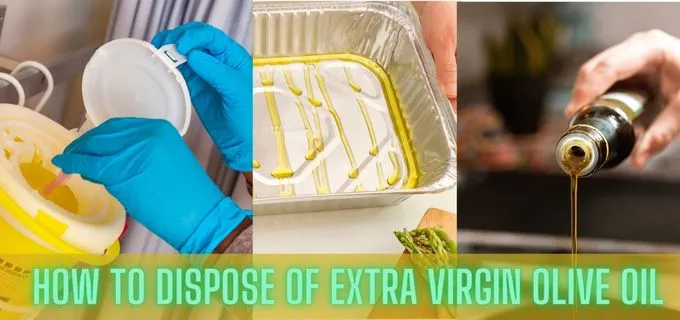
Extra virgin olive oil is a highly regarded ingredient cherished for its exquisite taste and numerous health advantages. However, many people need clarification about the proper disposal methods for excess or leftover oil, which can lead to environmental pollution, plumbing issues, and harm to wildlife.
While extra virgin olive oil is widespread, what happens when we have excess? How do we dispose of this oil responsibly? Many of us may need to be made aware of the environmental and plumbing damages that improper disposal of such oil can cause.
Simply pouring leftover oil down the sink, toilet, or onto the soil is not just ecologically unsound, but it can also lead to severe plumbing issues and negatively impact wildlife. We have previously covered the topic of extensively pouring olive oil into the drain in a dedicated article available here.
How to Dispose Of Extra Virgin Olive Oil
As responsible consumers, we must be cognizant of our environmental footprint and understand that even seemingly small actions like oil disposal can have significant consequences. This article aims to provide comprehensive information about how to dispose of extra virgin olive oil, thus enabling you to make environmentally-conscious decisions in your kitchen.
We will provide a step-by-step guide to managing it at home, discuss when to involve professional services, and explore innovative ways to repurpose or recycle excess olive oil.
Understanding the Challenges of Disposing of Extra Virgin Olive Oil
There is a common misconception that liquids like olive oil are harmless to drainage systems and the environment, but this is far from the truth. Pouring oil down the sink or toilet can lead to clogged pipes and expensive repairs and cause issues for water treatment facilities. Dumping oil in the garden or regular trash can contaminate soil and harm beneficial microorganisms, disrupting the local ecosystem.
You also need to understand whether it is flammable or not. And Improper olive oil disposal can also be dangerous for wildlife, as it can form a layer on water surfaces, blocking sunlight and oxygen and posing risks to aquatic life. It is crucial to be aware of these risks and adopt proper disposal methods to protect our plumbing systems, environment, and wildlife.
Steps to Disposing of Olive Oil at Home
Having understood the challenges, let’s move to the solutions. Getting rid of olive oil in an environmentally friendly manner is easier than you may anticipate. Follow these straightforward measures that can be implemented at home.
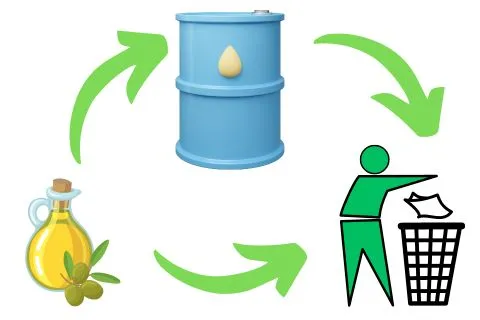
- Reusing the Oil: If the oil hasn’t been heated to very high temperatures and doesn’t contain food particles, it’s often safe for reuse. Strain it to remove any particles, store it in a clean, airtight container, and keep it in a cool, dark place.
- Disposal in Compost or Food Waste Bin: If you compost at home, small amounts of olive oil can be added to your compost pile or food waste bin. However, maintain a balanced green (vegetable scraps, coffee grounds) and brown (dried leaves, paper) waste mix in your compost to decompose effectively.
- Disposal in Regular Waste: If you have a larger quantity of oil, pour it into a sealable container like a plastic bottle, ensure it’s tightly closed, and then dispose of it in your regular trash can.
- Using Absorbent Materials: Absorbent materials like cat litter, sawdust, or sand can be used to soak up the oil. After the oil has been soaked up, you can discard this mixture in your standard garbage. Remember to use a biodegradable bag to reduce your environmental impact further.
Best Way to Dispose of Olive Oil
Below are some highly recommended approaches for the safe and responsible disposal of olive oil:
Freeze It:
This method is particularly effective for larger quantities of oil. First, let the oil cool down. Once it’s cool, you can transfer it to an old can, a non-recyclable plastic container, or any other suitable storage container. Place this container in the freezer.
Once the oil has solidified or frozen, you can toss it in your regular trash bin on garbage day. Remember, freezing or solidifying the oil doesn’t make it safe to put in your compost pile or down the drain. It merely prevents it from spilling out and creating a mess in your trash bag.
Place in a Separate Container:
If you don’t have room in your freezer or’d rather not freeze the oil, place it in a separate, sealable container like a non-recyclable plastic bottle or an old, clean detergent bottle. Make sure the lid is tightly closed to prevent leaks and spills.
This container can then be thrown out with your regular garbage. Some recycling facilities or waste management centers may also accept these used oil containers.
Use It for Compost:
As mentioned earlier, small amounts of olive oil can be added to your compost pile or bin at home. The key here is moderation. Too much oil can create a greasy layer that makes it difficult for water and air to penetrate, disrupting the composting process.
Professional Oil Disposal Services
Professional oil disposal services can be a convenient option for larger volumes of extra virgin olive oil. These services have the necessary equipment and facilities to handle and recycle larger quantities of oil, often transforming it into valuable commodities like biofuel. Local waste management facilities or recycling centers are good starting points for finding such services, and online searches can provide additional options. Recycling olive oil through professional services is an eco-friendly practice that reduces waste, prevents environmental pollution, and can even generate renewable energy. When using a professional service, they typically provide containers for oil collection and schedule pickups. The oil is then transported to their facility, which undergoes appropriate processing based on its intended use.
Innovative Methods for Disposing of Olive Oil
Beyond traditional disposal and recycling methods, here are some creative ways to use your leftover olive oil.
Crafting Homemade Soap or Other DIY Projects:
Soap making is a practical way of using up excess oil. You can find numerous recipes and tutorials online that use olive oil as a primary ingredient. Similarly, it can be used for making homemade candles or natural lubricants for squeaky doors and hinges.
Turning Olive Oil into Biodiesel:
It may seem ambitious for the average person, but it’s quite a fascinating process. Several online DIY guides can show you how to convert cooking oil into biodiesel, a much cleaner alternative to traditional diesel fuel.
Donating to Farms or Businesses:
Some farms and businesses, particularly those focused on green practices, might accept donations of used cooking oil for various purposes, including feeding animals, composting, or making biofuel.
The Dos and Don’ts of Olive Oil Disposal
To ensure you’re doing your part to protect our environment, here are some key reminders:
- DO reuse your extra virgin olive oil if possible.
- DO NOT pour olive oil down the sink, toilet, or into the soil.
- -DO try to compost at home or use professional disposal services for larger quantities.
- DO NOT put large amounts of oil directly into your trash can.
FAQs
Can I put olive oil in the soil?
While it might seem harmless, putting olive oil directly in the soil is not recommended. Olive oil can create a coating on the soil that prevents the proper absorption of water and oxygen, which are crucial for the health of plants and beneficial soil organisms. In larger quantities, it can lead to soil contamination.
Is olive oil OK for compost?
Yes, olive oil can be composted, but it should be done so in moderation. Small amounts of extra virgin olive oil can be added to your compost pile if you compost at home. It’s important to maintain a balanced mix of green (vegetable scraps, coffee grounds) and brown (dried leaves, paper) waste in your compost for it to decompose effectively.
Can I flush oil down the toilet?
No, flushing oil down the toilet is not a good practice. Like pouring oil down the sink, this can lead to clogged pipes and sewer lines and cause significant problems for municipal water treatment facilities. Additionally, it increases the risk of oil entering natural bodies of water, which can harm aquatic life.
Conclusion
It’s vital to remember that every action we take, no matter how small, can significantly impact our environment. Properly disposing of extra virgin olive oil is a small yet essential step towards maintaining an eco-friendly lifestyle. With the various methods we’ve discussed — from reusing the oil, composting, regular waste disposal, and engaging professional services to innovatively turning it into soap or biofuel — you are now equipped with the knowledge to handle your excess oil responsibly.
The next time you have leftover extra virgin olive oil, we encourage you to apply these methods, contributing to an eco-conscious society. By raising awareness about this often overlooked issue, we can collectively make a significant difference in preserving our environment for future generations. Remember, every drop counts!