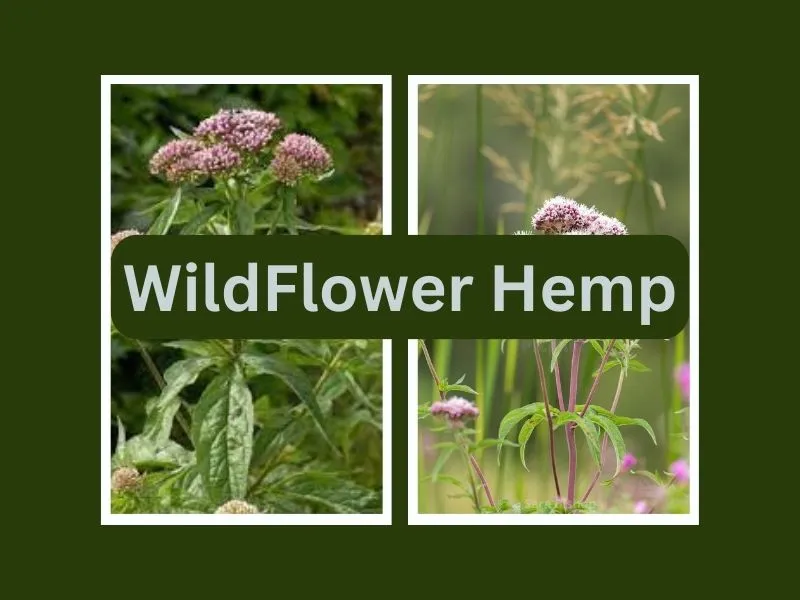
In recent years, the world has witnessed a significant surge in interest and research around hemp, a versatile plant known for its countless benefits. One variant that has been gaining increasing recognition is wildflower hemp. Combining the remarkable properties of hemp with the beauty and diversity of wildflowers, this unique plant holds immense potential for various industries and is becoming a sought-after resource for wellness enthusiasts. In this blog, we delve into the captivating world of wildflower hemp, exploring its origins, characteristics, benefits, and its promising role in promoting overall well-being.
Wildflower Hemp
Wildflower hemp, also referred to as hemp flower, is a specific strain of the Cannabis sativa plant. Unlike its close relative, marijuana, wildflower hemp contains negligible levels of THC, the psychoactive compound responsible for the “high” associated with cannabis use. However, it boasts high concentrations of cannabidiol (CBD), a non-intoxicating compound known for its therapeutic potential.
Green Solution Wildflower hemp
A Green Solution Wildflower hemp is an exceptionally eco-friendly crop. It absorbs large amounts of carbon dioxide, helping mitigate the harmful effects of climate change. Additionally, hemp is resistant to most pests, reducing the need for harmful pesticides and chemicals.
The Utility of Wildflower Hemp
A Versatile Product The utility of wildflower hemp extends beyond the textile industry. The plant’s seeds are rich in nutrients and can be used in food and health products. The fiber from the stalks can be used in paper, textiles, and building materials. Even the flowers have utility, with many turning to CBD, a non-intoxicating compound found in hemp, for potential therapeutic effects.
Sustainability Wildflower Hemp
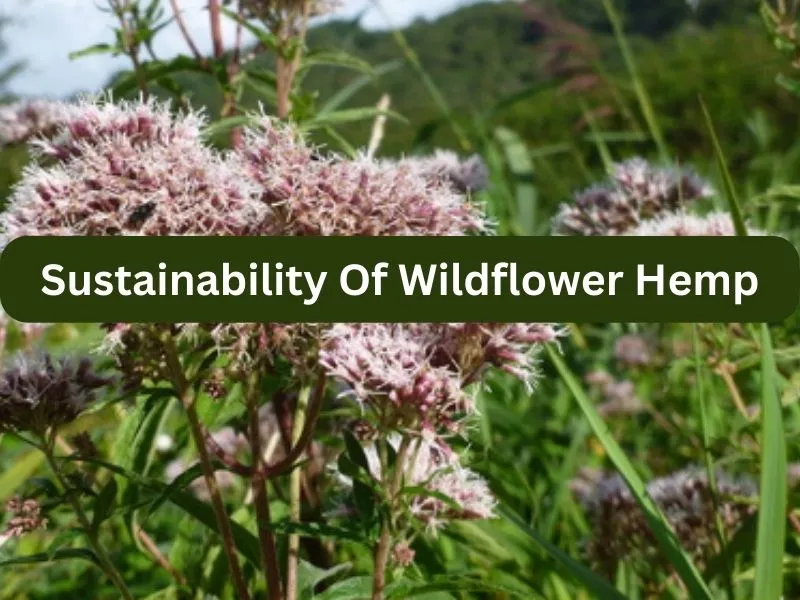
The Promise of Sustainability Wildflower hemp is fast-growing and resilient, capable of flourishing in various soils and climates, which makes it a viable option for crop rotation. Its deep root system helps prevent soil erosion, improving soil quality for subsequent crops. The shift towards eco-conscious consumerism means that the demand for sustainable products is ever-increasing, and wildflower hemp could help meet that demand.
The Blend of Wildflowers
What sets wildflower hemp apart is the infusion of various wildflowers into its cultivation. These vibrant blossoms, including lavender, chamomile, rose, and calendula, add not only visual appeal but also enhance the plant’s fragrance and flavor profile. The synergy between hemp and wildflowers creates a unique combination of compounds that can support both physical and mental well-being.
Types of Wildflower Hemp
When it comes to wildflower hemp, there are several types or strains available, each with its unique characteristics and properties.
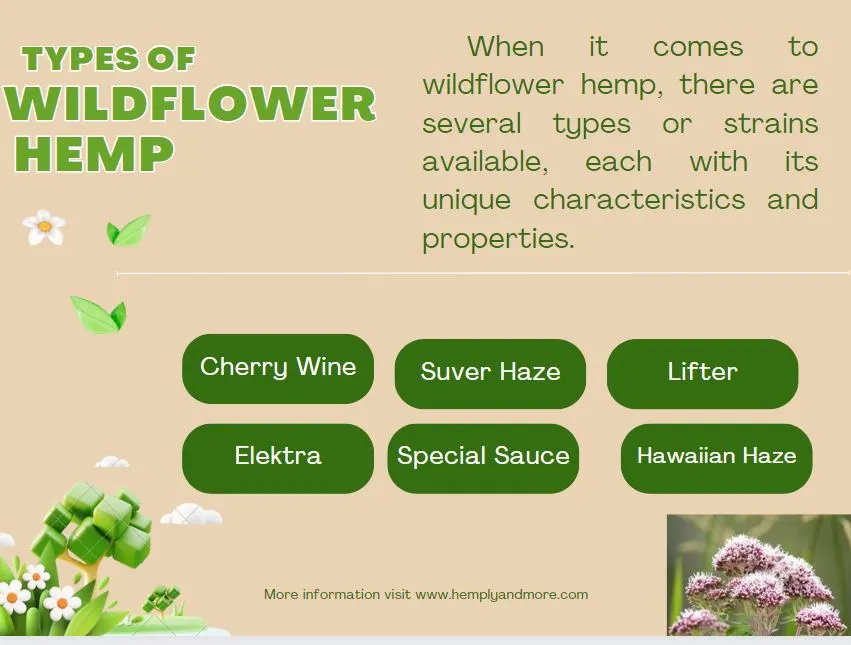
Here are some notable types of wildflower hemp:
Cherry Wine
Cherry Wine is a popular strain of wildflower hemp known for its high CBD content and delightful cherry aroma. It typically produces dense, resinous buds with a sweet and fruity flavor profile. Cherry Wine is sought after for its relaxing and calming effects, making it a favorite among hemp enthusiasts.
Suver Haze
Suver Haze is a strain of wildflower hemp that is highly regarded for its robust and pungent aroma. It features a diverse terpene profile, often exhibiting hints of earthy, citrusy, and fruity notes. Suver Haze is known for its uplifting and energizing effects, making it a great choice for daytime use.
Elektra
Elektra is a wildflower hemp strain that has gained popularity for its unique combination of flavors. It offers a pleasant blend of sweet, citrusy, and earthy notes, providing a delightful sensory experience. Elektra is often sought after for its potential to promote relaxation and reduce stress.
Hawaiian Haze
Hawaiian Haze is a tropical-flavored wildflower hemp strain known for its exotic aroma and taste. It typically exhibits fruity flavors reminiscent of citrus and pineapple, transporting users to a sunny beachside paradise. Hawaiian Haze is reputed for its potential mood-lifting and stress-relieving properties.
Lifter
Lifter is a well-known wildflower hemp strain recognized for its vibrant green buds and uplifting effects. It has a unique terpene profile that combines sweet, floral, and earthy notes. Lifter is often favored for its potential to provide a gentle boost of energy and focus while promoting a sense of calm.
Special Sauce
Special Sauce is a versatile wildflower hemp strain appreciated for its diverse range of effects. It typically offers a combination of sweet, fruity, and earthy flavors. Special Sauce is known for its potential to induce relaxation and ease discomfort, making it a popular choice for those seeking relief.
The availability of specific wildflower hemp strains may vary depending on your location and local regulations. Additionally, breeders and cultivators are continually developing new strains, expanding the options for wildflower hemp enthusiasts. When exploring and choosing wildflower hemp strains, it’s advisable to consider your individual preferences, desired effects, and consult reputable sources or retailers for guidance on the best strains suited to your needs.
Health Benefits of Wildflower Hemp
- Stress and Anxiety Relief: CBD, the primary component of wildflower hemp, has been widely recognized for its anxiolytic properties. It interacts with the body’s endocannabinoid system, helping to regulate stress responses and promote a sense of calm.
- Pain Management: Wildflower hemp can also provide natural pain relief. CBD possesses anti-inflammatory properties, making it useful for managing chronic pain conditions. Its interaction with the endocannabinoid system may help alleviate pain and reduce inflammation throughout the body.
- Sleep Support: Many individuals struggle with sleep-related issues, such as insomnia or poor sleep quality. Wildflower hemp, with its relaxing and sedative properties, may help improve sleep patterns and promote a more restful night’s sleep.
- Skincare and Beauty: The presence of wildflowers in hemp cultivation brings forth additional benefits for skincare and beauty products. Calendula and lavender, for instance, have soothing and anti-inflammatory properties, making them ideal ingredients for natural skincare formulations.
- Cultivation and Sustainability: Wildflower hemp is cultivated using sustainable and eco-friendly practices. These include organic farming methods, responsible water usage, and biodiversity preservation. Such conscientious cultivation ensures the purity and potency of the plant, free from harmful pesticides and chemicals.
- Regulatory Landscape and Consumer Safety: Given the surge in popularity, it’s important to address the regulatory landscape surrounding wildflower hemp. While laws vary across countries and regions, it is essential to source products from reputable manufacturers who adhere to industry standards. Look for companies that provide third-party lab testing results to ensure product safety, quality, and accurate CBD content.
Exploring Products and Consumption Methods
Wildflower hemp products have flourished in the market, offering a wide range of consumption options. Some popular products include CBD-infused oils, tinctures, topicals, edibles, and even wildflower hemp teas. Each consumption method provides a unique experience, allowing individuals to personalize their wellness routines.
The Future of Wildflower Hemp
As research on hemp and CBD continues to expand, we can expect wildflower hemp to carve a significant niche in the wellness industry. Its versatile applications, from stress management and pain relief to skincare and beauty, make it an appealing natural alternative. Furthermore, ongoing studies on the entourage effect—the potential synergistic benefits when combining different plant compounds—further bolster the potential of wildflower hemp for holistic well-being.
FAQs
Q1: What is wildflower hemp?
A: Wildflower hemp is a variant of industrial hemp known for its colorful appearance. Like other types of hemp, it can be used in numerous industries, including textiles, food, and health products.
Q2: Is wildflower hemp the same as marijuana?
A: No, while hemp and marijuana are both members of the Cannabis sativa species, they differ significantly in terms of their chemical composition. Hemp contains very low levels of THC, the psychoactive compound that causes the ‘high’ in marijuana.
Q3: Is wildflower hemp eco-friendly?
A: Absolutely! Hemp is known for its environmental benefits. It absorbs large amounts of carbon dioxide, is resistant to most pests, and has a deep root system that can help prevent soil erosion.
Q4: How is wildflower hemp used in food and health products?
A: The seeds of the hemp plant are highly nutritious, rich in healthy fats, proteins, and various minerals. They can be consumed raw, ground into a meal, sprouted, or made into dried sprout powder. The seeds can also be processed into a liquid and used for baking and beverages, such as hemp milk and tisanes.
Q5: Can wildflower hemp be used to produce CBD?
A: Yes, like other hemp varieties, wildflower hemp can be used to produce CBD (cannabidiol), a compound believed to have potential therapeutic effects. However, it’s crucial to understand that not all hemp is grown for CBD production, and the concentration of CBD can vary greatly depending on the plant strain and cultivation practices.
Conclusion
Wildflower hemp represents the union of nature’s beauty and the powerful potential of cannabinoids. Its diverse range of benefits, sustainable cultivation practices, and versatility in consumption methods make it an exciting and promising addition to the wellness landscape. As individuals seek natural alternatives to support their well-being, wildflower hemp stands out as a natural wonder, offering the potential for a happier, healthier lifestyle.